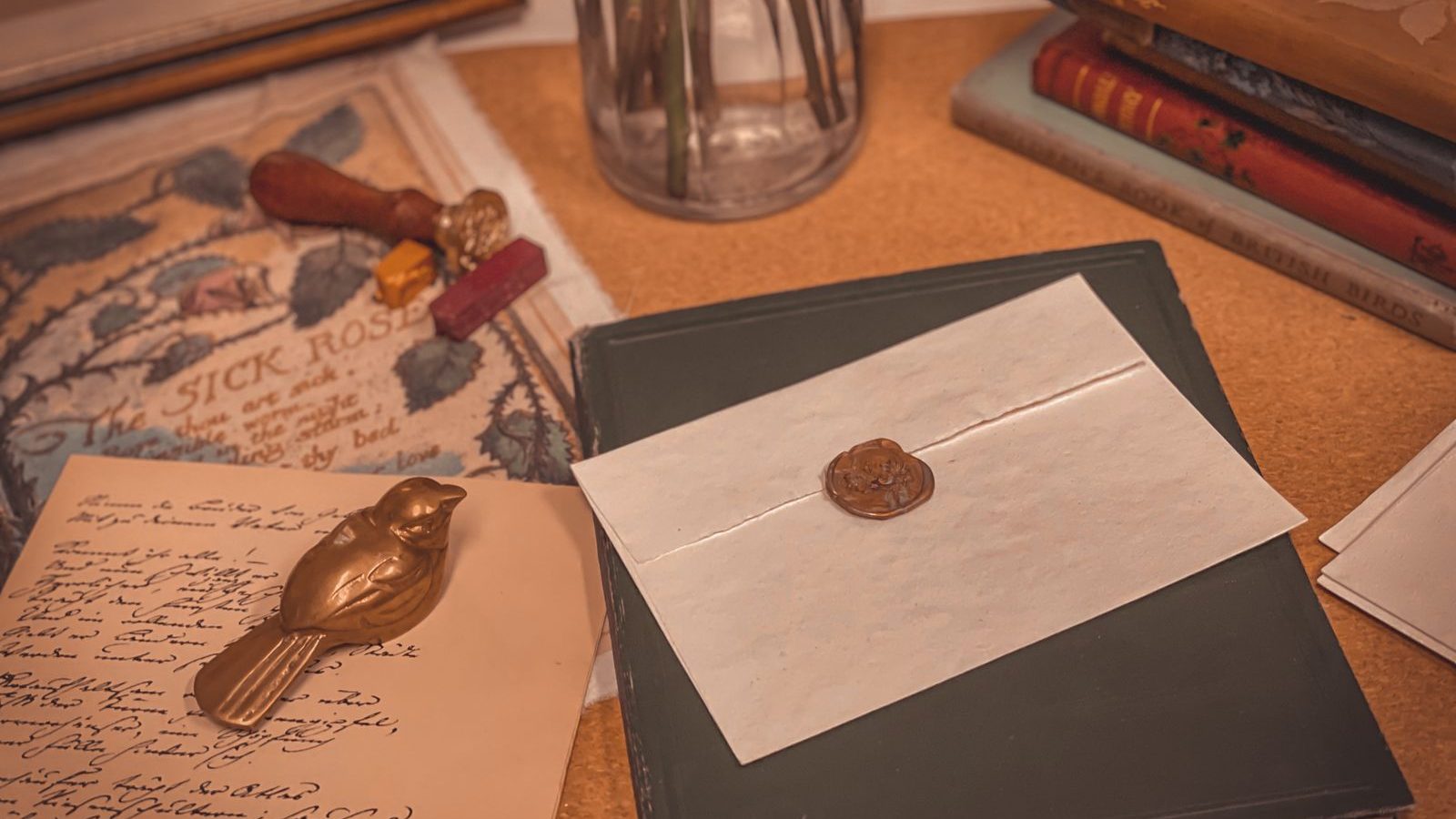
On 4 August 2010, 40 American billionaires from the Forbes 400 publicly pledged to give at least half of their wealth to charity. By Forbes' figures, their combined net worth was about US$251 billion, and the amount pledged was at least US$125 billion. Each wrote a letter explaining why (source: Christian Science Monitor, 2010).
The commitment is called the Giving Pledge. As of October 2026, the "Pledgers" page on its website describes it as a global community of more than 250 donors from 30 countries.
One open letter for one public commitment
The website's About page says the founders are Warren Buffett, Melinda French Gates and Bill Gates. The pledge is aimed at individuals and couples with a net worth of at least US$1 billion, including those who would have been billionaires had they not given their wealth away.
Signatories make a public commitment, and many write a separate letter explaining why they joined. The signing years listed on the website range from 2021 to 2026; signatories in 2026 include Jeff Tangney and Claudia Schweikert, and Gary Lubner, among others.
Where the money goes is one matter; what the letters show is how the donors see the money in their hands.
Four letters, four ways of seeing wealth
Sam Altman and Oliver Mulherin: remember who helped you first
The couple signed in 2024. Their letter centres on gratitude, thanking those who came before for their work and generosity, and mentions the broader prosperity that technology brings. In it they commit to paying it forward.
Mark Pincus: wealth as a tool to restore the environment
Pincus signed in 2022. In his letter he treats wealth as a tool to support community self-determination and environmental restoration, mentioning his hometown of Bolinas, conservation and regenerative agriculture. On the next generation, he writes that he hopes his children will inherit a thriving planet.
Noubar Afeyan and Anna Afeyan Gunnarson: those who have enough can do more
The couple signed in 2025. Their letter treats wealth as a responsibility: those who already have what they need can do more, so that opportunity is spread more widely. They sum up the attitude in one phrase: "turn gratitude into action".
The letter says the couple have given through the Afeyan Foundation for about 25 years, supporting education, science, health and humanitarian work in Armenia and Boston.
Mala Gaonkar: giving is not a sacrifice
Gaonkar signed in 2022. In her letter she says giving is not a sacrifice; it has brought her ideas, insights and close relationships. She also borrows a thought experiment, imagining not knowing in advance the circumstances of one's birth, to argue for the importance of a fair society.
What researchers found after reading 196 letters
Schmitz and McCollim published a study in 2021 in Society, volume 58, issue 2, analysing 196 pledge letters. It found that education and health were the main areas of giving; common reasons among signatories included wanting to make a difference, giving back, personal satisfaction, and values formed in the family early in life.
The study also noted that most letters present a traditional view of philanthropy, without questioning how wealth is accumulated or addressing the structural causes of inequality.
It also asks readers to note the nature of the pledge. As of March 2021 there were 220 signatories; the pledge is voluntary, requires no proof of giving, and can be fulfilled by means such as moving funds into a foundation or paying them out over many years. The authors consider the pledge's actual impact hard to assess.
Turning other people's letters into four questions of your own
You may not give away half your wealth, but the questions these letters raise are ones anyone with spare money can ask themselves.
- List where your wealth came from: which people, and which earlier people's work, have helped you. The Altman and Mulherin letter centres on thanking those who came before.
- Think about what you want the next generation to inherit. When Pincus speaks of the next generation, he writes of a thriving planet.
- Treat the money you give as an investment, not a loss. Gaonkar describes giving as bringing her ideas, insights and relationships.
- Set checkpoints for your own commitment. The study notes that the pledge requires no proof of giving, so checking progress can start with yourself.
After reading 196 letters, the researchers found that most did not question how wealth is accumulated. What is worth remembering may not be how much any one billionaire gave, but whether anyone looks back, once the letter is written, to check that they have done what they said.
Prices and details correct as of October 2026
Compiled by the F50 Editorial Team from public sources, for general reference only and not professional advice. Details are correct as of the publication date and may change.
Sources
- Giving Pledge: Pledger letters ()
- Giving Pledge: About the Giving Pledge ()
- Giving Pledge: Sam Altman and Oliver Mulherin pledge letter(信件年份 2024;查證日 2026-10-29) ()
- Giving Pledge: Mark Pincus pledge letter(信件年份 2022;查證日 2026-10-29) ()
- Giving Pledge: Noubar Afeyan and Anna Afeyan Gunnarson pledge letter(信件年份 2025;查證日 2026-10-29) ()
- Giving Pledge: Mala Gaonkar pledge letter(信件年份 2022;查證日 2026-10-29) ()
- Christian Science Monitor: Billionaires pledge $125 billion to Bill Gates charity drive ()
- Society (PubMed Central): Billionaires in Global Philanthropy: a Decade of the Giving Pledge ()
Corrections
Spotted an error? Email support@wedo-search.com