Chilled oysters, a sashimi platter, a plate of cured meats, a boxed ready meal heated in the microwave: these are all dishes that Hong Kong health authorities have flagged for caution at year-end gatherings.
The warning is not empty. On 11 February 2026 the Centre for Health Protection of the Department of Health announced 39 food poisoning cases between 18 January and 10 February that year. About 90 per cent of them, 35 cases involving 105 people, were linked to norovirus, and every affected person had eaten oysters during the incubation period. Six were admitted to hospital in stable condition. These were the figures at the time, and no later update has been published. The advice below is compiled from information available from the Centre for Food Safety and the Centre for Health Protection as of November 2026.
Oysters: no technology can guarantee they are free of pathogens
Oysters are filter feeders that accumulate pathogens from their environment, and they are usually eaten without cooking. Common pathogens include Vibrio parahaemolyticus, norovirus, hepatitis A virus and hepatitis E virus.
Alcohol, lemon juice and wasabi cannot kill norovirus. A squeeze of lemon or a glass of wine adds flavour, not disinfection.
- Buying: buy oysters for raw consumption only from reputable shops that hold the relevant written permission from the Food and Environmental Hygiene Department. Premises selling restricted foods such as oysters, sushi, sashimi, siu mei and lo mei must hold the relevant licence or permit.
- Cooking: the safest approach is to cook them thoroughly, so that the core temperature reaches 90°C and is held for 90 seconds.
- Hot pot and charcoal grilling: oysters put in the pot or on the grill must also be thoroughly cooked, not lifted out half-raw.
Norovirus is generally more active from about December to March. It is highly contagious, a very small amount can cause illness, and it withstands low temperatures. After the cases in February 2026, the Food and Environmental Hygiene Department stepped up inspections of more than 1,200 premises selling oysters across Hong Kong, and the announcement at the time urged the public not to eat oysters or undercooked bivalve shellfish.
Sashimi and sushi: raw seafood carries more than one risk
Sushi and sashimi use raw seafood, which may carry disease-causing bacteria, parasites and viruses, so it must be handled with care. In March 2026 the Centre for Food Safety updated its sushi and sashimi guidelines. For diners, the official requirement that such premises hold the relevant licence is a practical thing to check.
Cured meats: watch the salt and nitrite
The concern with cured meats is not bacteria. They are generally high in salt and contain nitrate and its metabolite nitrite, so they should be eaten in moderation alongside plenty of vegetables and fruit. Infants are more prone to nitrite poisoning and should avoid cured meats.
For background, in the seasonal food survey the Centre for Food Safety announced in December 2025, all 164 locally collected cured meat samples passed testing. This is data from December 2025, not a new 2026 result.
Ready meals and takeaways: treat reheating as cooking again
Between 2023 and 2024 the Centre for Food Safety tested more than 1,000 samples that could be classed as ready meals, and only one failed: a pre-packaged frozen crayfish product possibly contaminated with Listeria. The pass rate was high overall.
- Buying: buy from hygienic, licensed shops, and check the "use by" and "best before" dates. Do not eat food past its date.
- Storing: keep it as the label directs, for example chilled at 4°C or below.
- Thawing: thaw chilled ready meals only as the packaging directs, never at room temperature.
- Reheating: follow the time, temperature and method on the packaging, and reach a core temperature of at least 75°C. If not eaten straight away, keep hot food above 60°C and cold food at 4°C or below.
- Takeaways: on delivery, check that the packaging is intact, hot food is warm and cold food is cold. Refrigerate anything not eaten at once and reheat it thoroughly before eating.
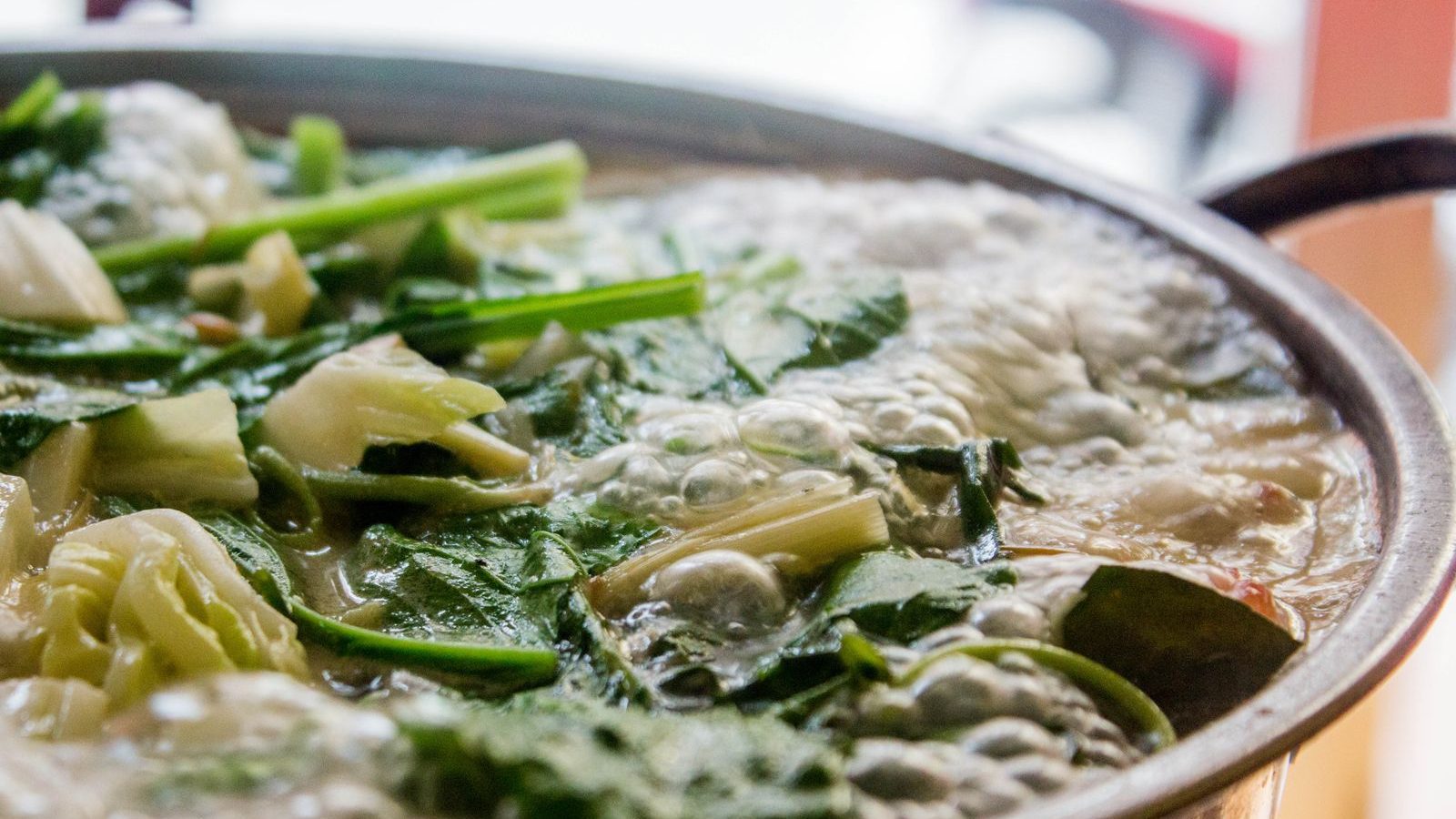
Hot pot: two sets of chopsticks, and wait for the soup to boil again
- The core temperature of food should reach at least 75°C; oysters and other bivalves must be heated to a core temperature of 90°C and held for 90 seconds.
- After adding water or stock, wait for the soup to return to the boil before eating.
- Use two sets of chopsticks and utensils, one for raw food and one for cooked.
- Do not eat or dip food in raw egg; use pasteurised egg instead.
Leftovers: remember two hours and four hours
Between 4°C and 60°C is the "danger zone" in which bacteria multiply rapidly.
- Keep cold dishes and salads in the refrigerator and take them out only before eating; keep them at 4°C or below until served, and keep hot food above 60°C until eaten.
- Put leftovers in clean, covered containers and into the refrigerator within two hours; cooked food should also be cooled and refrigerated within two hours.
- Food left at room temperature for more than four hours should be thrown away.
- Leftovers kept in the refrigerator for more than three days should be thrown away.
- Reheat thoroughly before eating, so that the thickest part reaches 75°C or above, and avoid reheating more than once.
Who should avoid raw food
Pregnant women, young children, the elderly and people with weakened immunity should avoid raw seafood, including raw oysters. People with liver disease should especially avoid oysters and undercooked bivalve shellfish. Infants should avoid cured meats.
For the cook: hand sanitiser is not enough
Wash hands with liquid soap and water for at least 20 seconds before handling food or eating and after using the toilet. Alcohol-based hand rub cannot effectively kill norovirus and is no substitute for soap and water. Anyone handling food who has vomiting or diarrhoea should stop handling food until at least 48 hours after the symptoms have gone.
A good meal never needs raw food to carry it. Cook the oysters, put leftovers away within two hours, and keep anyone with vomiting or diarrhoea away from food handling, and the year-end table carries less risk. This article offers general food safety information only; see a doctor if you feel unwell after eating.
Prices and details correct as of November 2026
Any recipe amounts, temperatures and times are compiled from several sources and are a guide only. Take food-safety care with raw, allergenic or high-risk ingredients.
Sources
- 食物安全中心: 節日聚餐期間維持食物安全(食物安全焦點第233期) ()
- 食物安全中心: 認識進食生蠔的風險(第233期) ()
- 食物安全中心: 享用臘味應節制(第233期) ()
- 衞生署衞生防護中心: 衞生防護中心提醒市民現時不要進食生蠔及未經煮熟的雙殼類海產 避免感染諾如病毒 ()
- 衞生署: 衞生署提醒市民保持警惕預防傳染病和食物中毒 健康迎新歲 ()
- 食物安全中心: 生蠔中的諾如病毒(食物安全焦點第235期) ()
- 食物安全中心: 預製菜-給食物業和消費者的食物安全建議(page undated; checked) ()
- 食物安全中心: 預製菜-我們應注意什麼?(第227期) ()
- 食物安全中心: 安全食用火鍋的重要要點(第210期)(2024年1月號) ()
- 食物安全中心: 壽司和刺身指引(第236期) ()
Corrections
Spotted an error? Email support@wedo-search.com