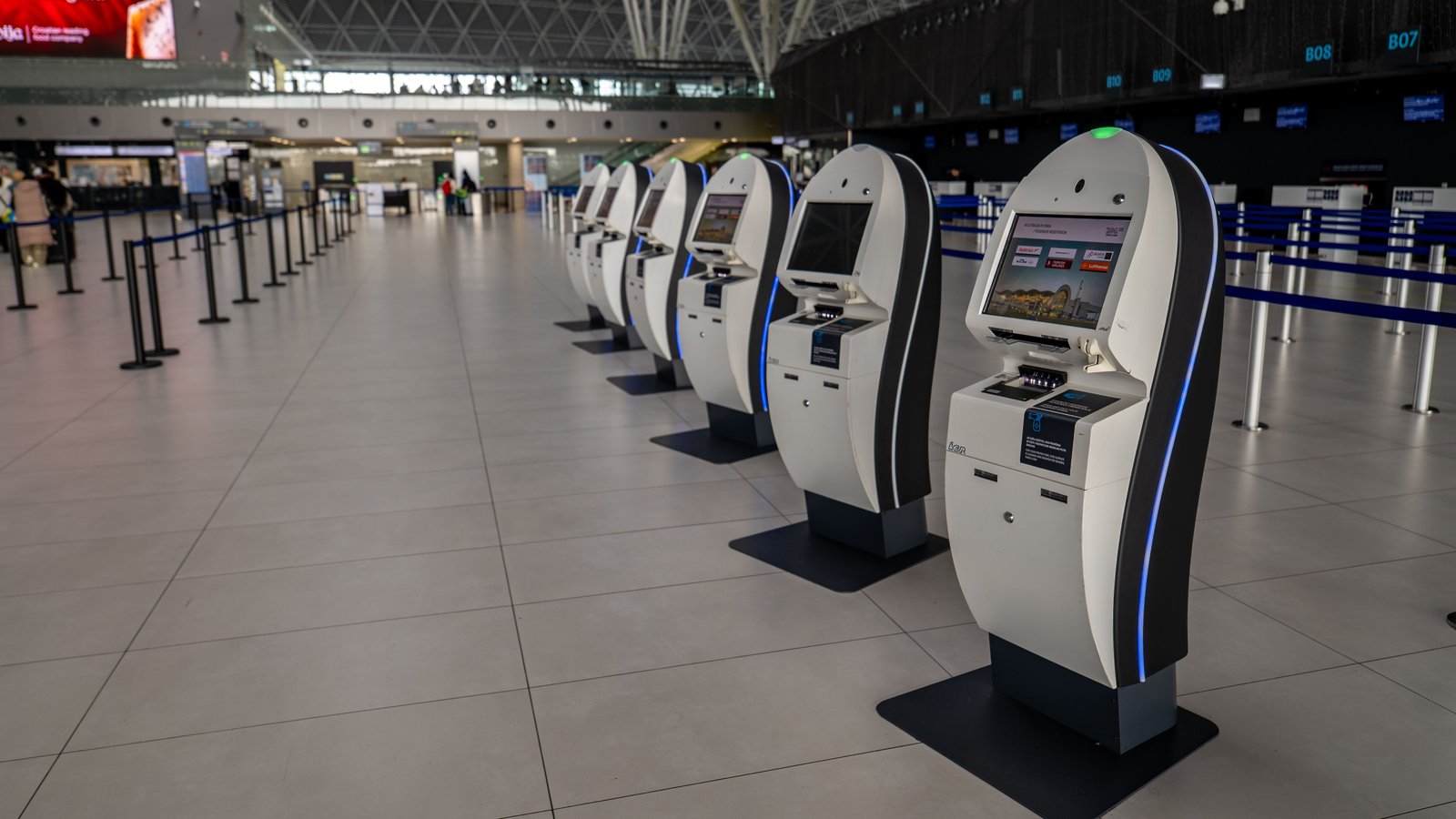
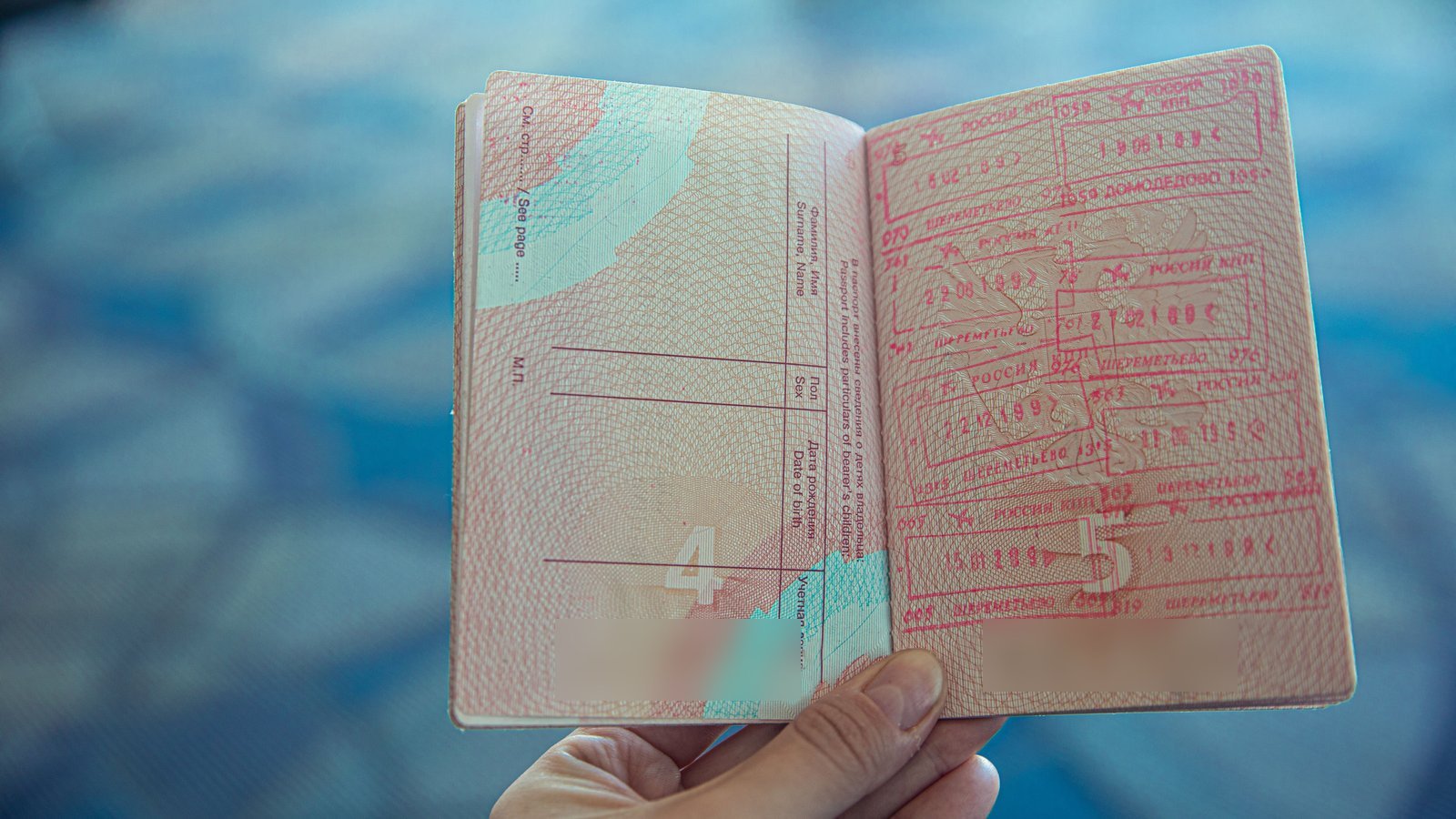
The entry stamp in your passport is on its way out. In its place is a machine that records your face and fingerprints.
The European Union's Entry/Exit System (EES) went live on the night of 12 October 2025, with Member States connecting in stages and allowed up to 180 days after the start to finalise their deployments. The European Commission has since said the system has been fully operational from 10 April 2026. For non-EU travellers who fly to Europe often for meetings and clients, the first crossing now works differently from before.
ETIAS, often mentioned in the same breath, is the opposite case: it is reported that, as of October 2026, no firm launch date has been published. The EES sections below follow official EU sources; the ETIAS section relies mainly on third-party reporting, and anything not verified officially is clearly marked.
What data the EES records about you
According to the European Commission and eu-LISA, the EU agency that operates the system, the EES registers the following data on non-EU travellers and replaces manual stamping of passports:
- Passport and travel document details
- Name and nationality
- A facial image
- Fingerprints of four fingers
- The time and place of every entry and exit
The system applies to short stays, meaning no more than 90 days within any 180-day period.
The first trip takes the longest; later ones are much quicker
The Commission's explanation is plain: initial registration takes place at the first entry and the first exit; on later crossings, only a quick identity verification is needed.
In other words, the first trip is the one that calls for patience.
Queue times: no official figures
The Commission says the EES will speed up checks so that travellers spend less time waiting, but it has published no specific queue times. We could not verify the various waiting times circulating elsewhere against official sources, so we do not quote them.
With no official figure, the safer course is to leave a margin yourself: at your first entry and first exit, avoid scheduling meetings, connections or return flights too tightly.
Cyprus and Ireland are the exceptions
The Commission's announcement of 10 April 2026 states that the EES is operational at all external border crossing points except those of Cyprus and Ireland. According to a 27 July 2026 page from the Commission's Directorate-General for Migration and Home Affairs, holders of residence permits or long-stay visas issued by Cyprus or Ireland are still registered in the EES.
Who does not need to register
According to the Directorate-General for Migration and Home Affairs page of 27 July 2026, the following people are exempt from EES registration:
- Nationals of Andorra, Monaco and San Marino
- Holders of Vatican/Holy See passports
- Non-EU nationals holding a long-stay visa or residence permit issued by a country that applies the EES
- Non-EU nationals who are family members of EU/European Economic Area/Swiss citizens and hold a residence card or permit
If you live in a European country long term and hold a local residence permit, check before you travel whether you fall into one of these categories.
How long the data is kept
eu-LISA says traveller data is kept for three years after the last entry, exit or refusal of entry, or for five years if an overstay is recorded, and is then deleted automatically.
For business travellers this is also a reminder: an overstay is no longer just an illegible stamp in a passport, but an electronic record that is kept for a long time.
ETIAS: no date set, and the fee awaits official confirmation
According to a report on 20 July 2026 by the third-party visa service website iVisa, the official ETIAS website has dropped its earlier wording that ETIAS would start in the last quarter of 2026, and now says only that ETIAS is not yet operating and not accepting applications. This is secondary reporting; we could not open the official page directly to verify it.
On cost, iVisa reports an ETIAS fee of 20 euros, with validity of three years or until the passport expires, whichever comes first. As of October 2026, neither the fee nor the validity could be verified against an official EU document, and everything should be read subject to later official announcements.
Checklist for business travellers before departure
- Confirm whether you fall into an EES exempt category, especially if you hold a long-stay visa or residence permit from a European country.
- At your first entry and exit under the EES, allow extra time in your schedule and avoid tight meetings or connections.
- Count your days of stay carefully: no more than 90 days within any 180-day period.
- Expect to have your facial image taken and the fingerprints of four fingers scanned when you cross.
- As of October 2026, ETIAS is reportedly not yet accepting applications, so there is no need to rush; check the official EU website for the latest arrangements before you travel.
The registration steps of the new system are concentrated at the first entry and the first exit. As for ETIAS, the most practical preparation at this stage is not to be led by unconfirmed dates.
Prices and details correct as of October 2026
Compiled by the Focus50 Editorial Team from public sources, for general reference only and not professional advice. Details are correct as of the publication date and may change.
Sources
- European Commission: A more secure, efficient and convenient way of travelling for non-EU nationals ()
- European Commission: How the new digital borders system works ()
- eu-LISA: The Entry/Exit System Successfully Connected Across Europe ()
- European Commission, Migration and Home Affairs: The Entry Exit System is fully operational since 10 April 2026. Who is exempt? ()
- iVisa: EU removes ETIAS 2026 launch date from website ()
Corrections
Spotted an error? Email support@wedo-search.com