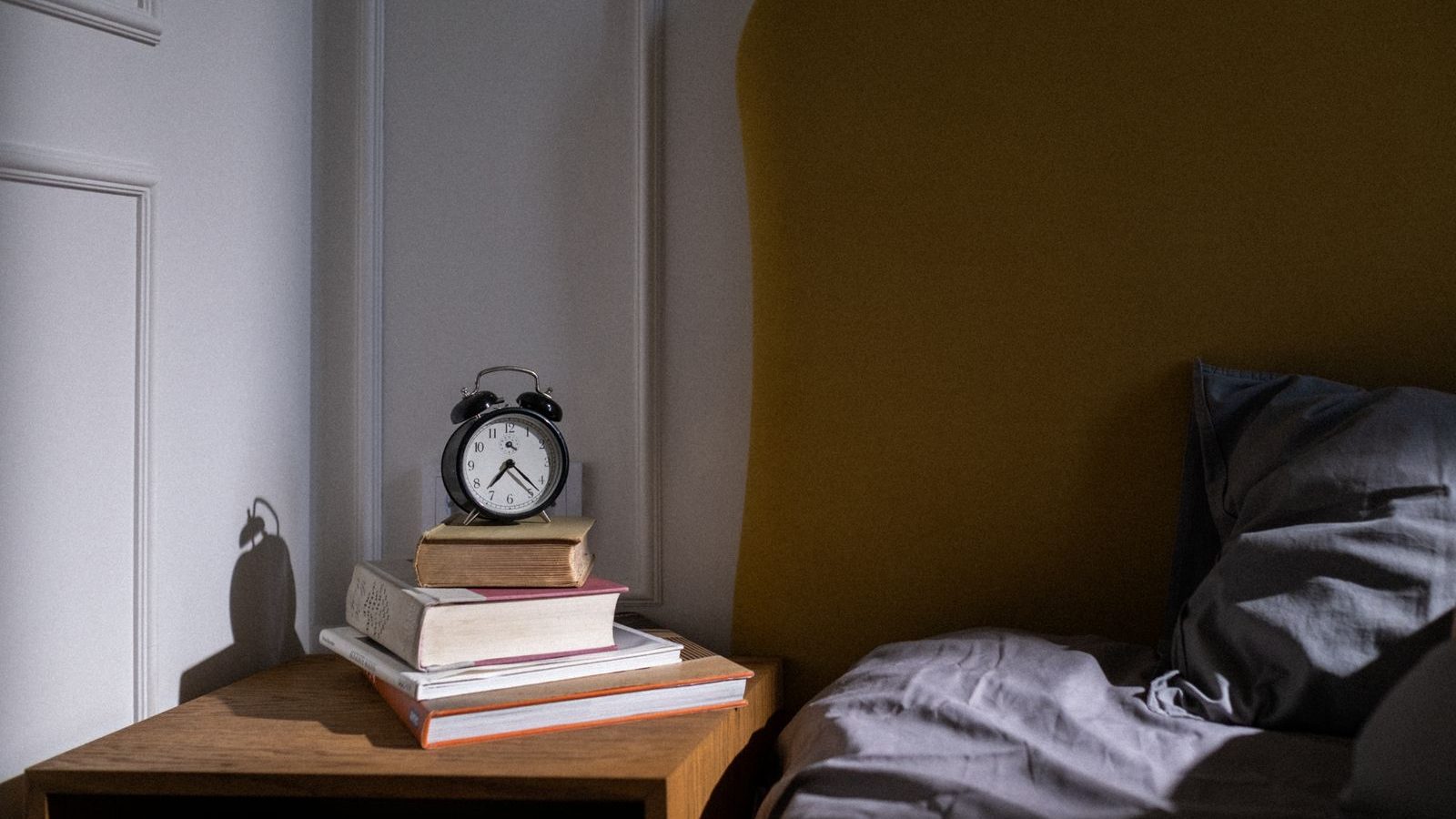
At 2am on Sunday 25 October 2026, British Summer Time ended and the clocks went back one hour. In theory, everyone could sleep an extra 60 minutes that night, but research data show the average extra sleep falls well short of an hour.
A study analysing accelerometer data from 11,780 UK Biobank participants aged 43 to 78 found that average sleep on the day of the autumn clock change was only 33 minutes longer than on the previous Sunday and 38 minutes longer than on the following Sunday. The study, by de Lange et al., was published online in the Journal of Sleep Research on 21 October 2024.
In other words, that hour did not all turn into sleep.
The extra hour was only partly slept
The researchers compared data from two weeks either side of the clock changes in October 2013 and November 2015. Average sleep on the day of the change was 33 minutes longer than on the previous Sunday (95% confidence interval 27 to 39 minutes) and 38 minutes longer than on the following Sunday (95% confidence interval 32 to 43 minutes), meaning the extra hour was not fully converted into sleep.
The study also found that on weekdays after both clock changes, participants slept slightly longer, which suggests some catch-up sleep, but this was less clear in autumn. Note that the sample was aged 43 to 78, so the results may not apply to all age groups.
The week after the autumn change is not easy
An extra hour of sleep sounds welcome, but another study found that many people slept worse in the week after clocks returned to standard time. According to a UPI report of a HealthDay article, the study, led by Ron Postuma of McGill University in Canada and published in Neurology in 2023, involved more than 30,000 people aged 45 to 85.
In the week after the autumn change, the share of people dissatisfied with their sleep rose from 23% to 28%, a 34% higher risk. The risks of difficulty falling asleep and of daytime sleepiness more than doubled, and the risk of difficulty staying asleep rose by 64%. The good news is that after two weeks these effects were no longer evident. The study also covered only middle-aged and older people, so it cannot be applied directly to younger adults or children.
Why weekend lie-ins do not repay sleep debt
Some people habitually sleep less on weekdays and sleep until they wake naturally at the weekend. A 2019 laboratory study by Depner et al. of the University of Colorado Boulder, published in Current Biology, tested a similar approach.
According to Neuroscience News, the study involved 36 healthy adults aged 18 to 39. The restricted-sleep group had only a five-hour sleep opportunity each night. The weekend catch-up group had five restricted nights, then unrestricted sleep at the weekend, followed by two more restricted nights.
The report said the weekend catch-up group slept only about 66 minutes more on average. Benefits of the extra sleep, such as less late-night snacking, disappeared once restricted sleep resumed in the working week. Body clocks were also delayed, making it harder to fall asleep on Sunday night.
On metabolism, whole-body insulin sensitivity fell by about 13% in the continuously restricted group and by 9% to 27% in the weekend catch-up group. The researchers concluded that weekend catch-up sleep cannot prevent the metabolic effects of repeated sleep loss, and stressed the importance of regular sleep times.
How much sleep do adults need each night?
A US Centers for Disease Control and Prevention (CDC) page dated 15 May 2024 says adults aged 18 to 60 should sleep seven hours or more a night, those aged 61 to 64 seven to nine hours, and those aged 65 or over seven to eight hours. A 2013 press release from the American Academy of Sleep Medicine (AASM) said adults need about seven to eight hours a night.
The AASM's three-step advice for clock changes
A 2013 AASM press release on the clock change (the US change that year fell on 3 November) set out the following approach:
- On the Saturday night before the change, go to bed at your usual time.
- Set the clock back one hour just before going to bed.
- On Sunday, get up at your usual time.
The same press release also recommended these everyday habits:
- Keep a consistent bedtime and wake-up time every day.
- Avoid caffeine in the afternoon and evening.
- Keep the bedroom dark, quiet and comfortable in temperature.
The press release quoted Dr Nathaniel Watson as saying the clock change is a good opportunity to review routines and put sleep first.
The clocks have changed: what can you do now?
The UK clock change was a week ago. According to the Neurology study above, sleep problems after the change were no longer evident after about two weeks. Other places that observe daylight saving time, including the US and Canada, change their clocks on different dates, so please check local official announcements.
Wherever you are, the studies above point the same way: rather than relying on one night or one weekend to catch up, keep regular sleep times and aim for nightly sleep close to the official recommendations.
This article offers general lifestyle information only and is not a diagnosis. If you have long-term insomnia or daytime sleepiness, consult a doctor. Information is current to November 2026.
Prices and details correct as of November 2026
This article is general health information, not medical advice. For any health concern, consult a doctor or registered health professional.
Sources
- GOV.UK: When do the clocks change?(2026 (checked) ()
- US CDC: About Sleep ()
- University of Bristol Research Portal / Journal of Sleep Research: The effects of daylight saving time clock changes on accelerometer-measured sleep duration in the UK Biobank ()
- Neuroscience News (reporting Current Biology study): Sleeping In On the Weekend Won't Repay Your Sleep Debt ()
- UPI / HealthDay (reporting Neurology study): Fall time change associated with rise in sleep disorders ()
- American Academy of Sleep Medicine (via Cision): Time change provides chance to prioritize sleep (2013 release) ()
Corrections
Spotted an error? Email support@wedo-search.com