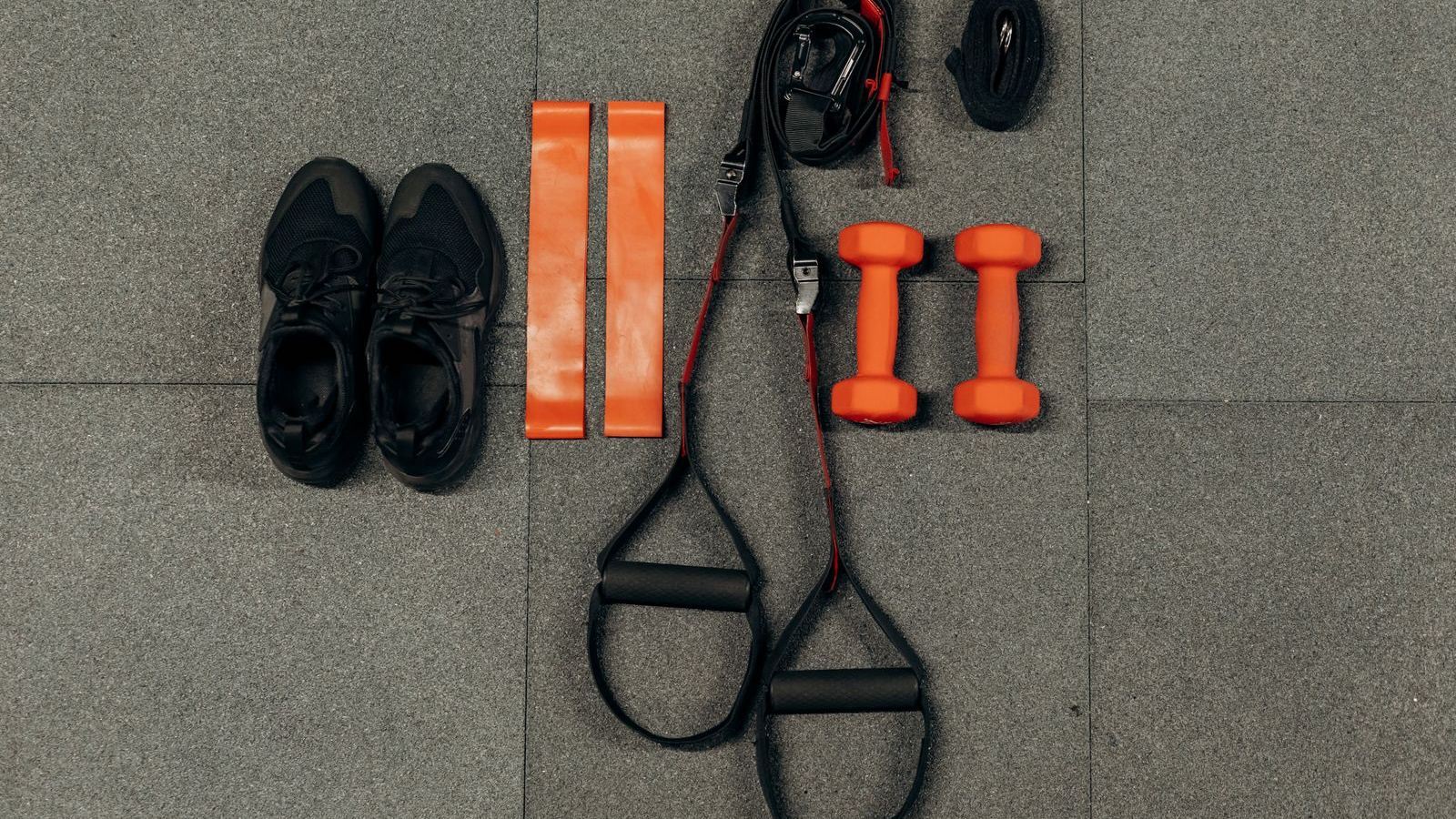
You do not need a gym membership or a wall of mirrors. A sturdy chair, a wall and water-filled bottles are enough to start strength training.
In November 2020 the World Health Organization (WHO) published its Guidelines on Physical Activity and Sedentary Behaviour, covering children, adolescents, adults and older adults. It was the first time WHO had issued recommendations on sedentary behaviour. The full text, published in the British Journal of Sports Medicine (BJSM), states that adults aged 18 to 64 should do muscle-strengthening activities at moderate or greater intensity on at least 2 days a week, working all major muscle groups. Adults aged 65 and over should do varied multicomponent physical activity on 3 or more days a week, emphasising functional balance and strength training. Both are rated strong recommendations.
At least two days a week, covering all major muscle groups
"All major muscle groups" sounds vague, but there is a clear list. The US Centers for Disease Control and Prevention (CDC) and the UK's National Health Service (NHS) give the same range: legs, hips, back, abdomen, chest, shoulders and arms.
How hard is hard enough? The NHS puts it practically: work to the point where you need a short rest before you can repeat the movement.
WHO's fact sheet, updated in June 2024, says adults globally should accumulate at least 150 minutes of moderate-intensity physical activity a week, and states that muscle strengthening "benefits everyone". The same document says people who are insufficiently active have a 20% to 30% higher risk of death than those who are sufficiently active.
What you can do without a gym
Many of the muscle-strengthening activities the NHS lists can be done in the living room or as part of daily life:
- Bodyweight moves: sit-to-stands, mini squats, calf raises, side leg raises, wall press-ups, as well as ordinary press-ups and sit-ups.
- Resistance bands: the NHS lists using resistance bands alongside lifting weights as strengthening activity.
- Light weights: with no dumbbells to hand, the NHS shows a water-filled bottle used in place of a light dumbbell for biceps curls.
- Mind-body exercise: yoga, pilates and tai chi are also counted as strengthening activity.
- Everyday effort: heavy gardening and carrying heavy shopping bags count too.
You do not have to buy equipment to begin
The NHS's home demonstrations use a chair, a wall and a water bottle, so getting started does not have to cost anything.
Slower matters more than heavier
The technique tips on the NHS home strength exercises page are simple: keep your back straight and avoid arching it; move slowly and with control; use support where needed. For sit-to-stand exercises, choose a sturdy chair with no wheels and no arms.
Repetitions can be added gradually, but form should not be compromised. The NHS advises building up repetitions slowly rather than chasing numbers from the start. Neither the WHO nor the NHS pages prescribe sets, repetitions or weights, and this article does not either.
If you have not exercised for a while, or have a medical condition or health concerns, the NHS advises talking to a doctor before you begin, to make sure the activity and its intensity suit your fitness.
From 65, add balance
Advice for older adults adds one emphasis: balance. WHO recommends varied activity combining balance and strength on 3 or more days a week. The NHS guidelines for older adults recommend at least 2 days a week of activities that improve strength, balance and flexibility. The number of days differs between the two bodies, but the direction is the same.
The NHS notes that for older people who have fallen or worry about falling, this kind of exercise can help build confidence on their feet.
What the research says: association, not causation
In 2022 Momma and colleagues published a systematic review and meta-analysis in BJSM. From 29 studies initially screened, it included 16 cohort studies, with participants aged 18 to 97 and follow-up of 2 to 25 years.
According to the medical news site News-Medical, the analysis found that people who did muscle-strengthening activity had a risk about 10% to nearly 20% lower for all-cause mortality, cardiovascular disease, total cancer, diabetes and lung cancer. Most results followed a J-shaped curve, with the association clearest at around 30 to 60 minutes a week. No association was seen for colorectal, kidney, bladder or pancreatic cancer. We were unable to consult the journal article directly, so these figures rely on that report.
This is an observational study. It shows association only and cannot prove that strength training directly lowers risk. Its limitations include self-reported muscle-strengthening activity, a small number of studies behind each outcome, and most studies being conducted in the United States, so the findings may not apply to everyone.
Three bodies, one number
The adult recommendations from WHO, the NHS and the CDC all land on the same number: at least two days a week, working the major muscle groups. A chair and a wall are enough to begin.
Prices and details correct as of November 2026
This article is general fitness information, not medical or training advice. If you have a health condition, consult a doctor before starting a new activity.
Sources
- World Health Organization: Physical activity (fact sheet) ()
- World Health Organization: WHO guidelines on physical activity and sedentary behaviour ()
- British Journal of Sports Medicine (via PubMed Central): World Health Organization 2020 guidelines on physical activity and sedentary behaviour (Bull et al.) ()
- NHS (UK): Physical activity guidelines for adults aged 19 to 64 ()
- NHS (UK): Physical activity guidelines for older adults ()
- NHS (UK): Strength exercises ()
- US CDC: Adult Activity: An Overview (guidelines for adults) ()
- News-Medical (reporting Momma et al., BJSM 2022): 30-60 minutes/week of muscle strengthening activities may lower mortality risk ()
Corrections
Spotted an error? Email support@wedo-search.com