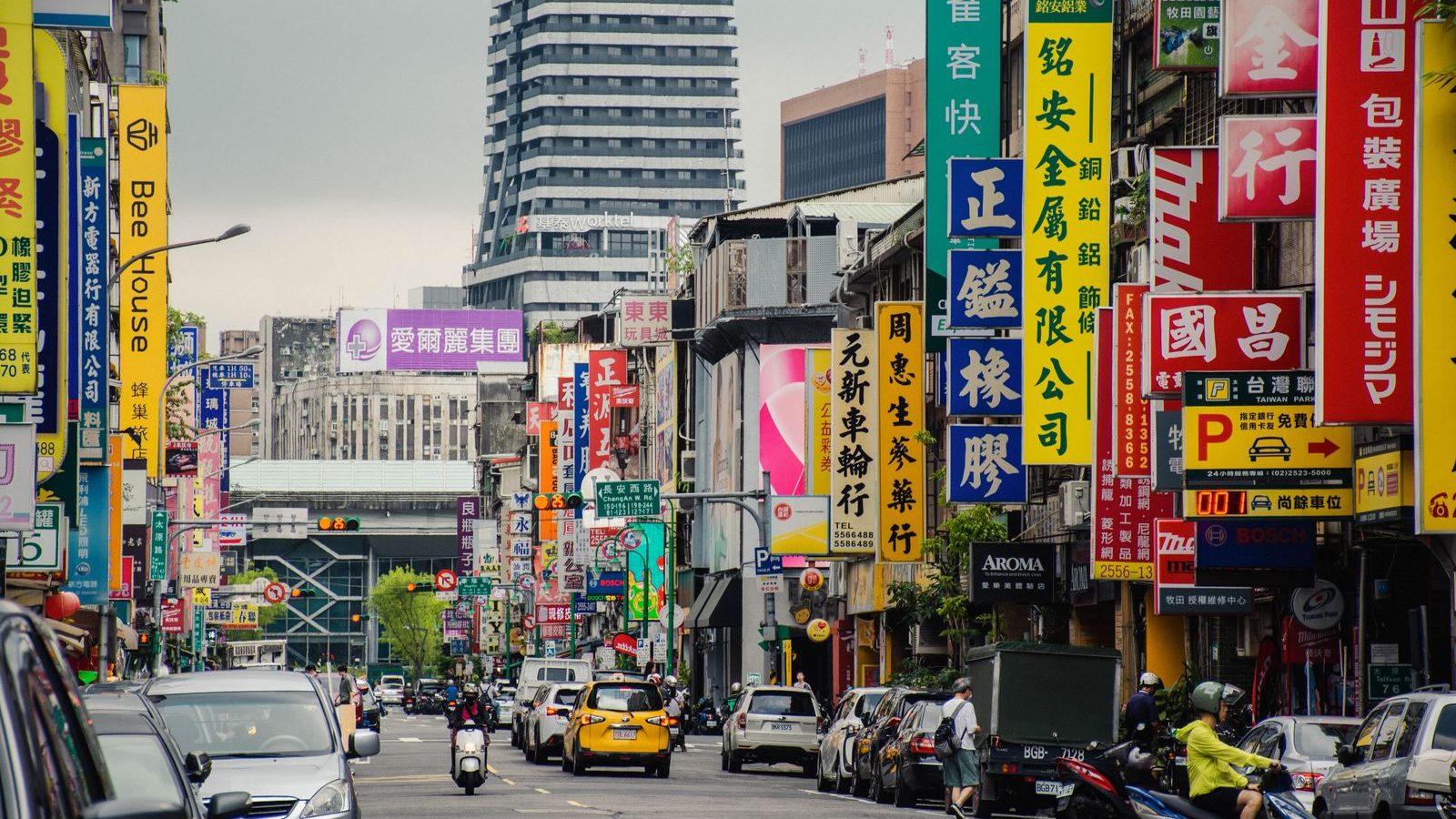
NT$30,900. It is the first time Taiwan's monthly minimum wage has passed NT$30,000, and the first time the hourly rate has gone above NT$200.
On 24 September 2026, Taiwan's Basic Wage Deliberation Council decided to raise the monthly minimum wage from NT$29,500 to NT$30,900, an increase of NT$1,400 or 4.745%, and the hourly minimum from NT$196 to NT$205. The new rates are expected to take effect on 1 January 2027, but must be submitted to the Executive Yuan for approval. As of 27 October 2026, we have found no report of Executive Yuan approval, so all figures below are treated as pending approval.
This is the 11th consecutive annual increase. The current rates, in force since 1 January 2026, are NT$29,500 a month and NT$196 an hour, a rise of 3.18% that year; the year before that they were NT$28,590 and NT$190. According to TechNews, about 2.6116 million workers stand to benefit, around 2.1972 million of them Taiwanese nationals. Since 2016, the monthly minimum has risen a cumulative 54.4% and the hourly minimum 70.8%.
The increase fully reflects the inflation forecast
According to TechNews, the increase fully reflects the 2026 consumer price index (CPI) forecast of 2.07%; the Directorate-General of Budget, Accounting and Statistics forecasts economic growth of 11.05% for the same period. Before the deliberations, the Economic Daily News estimated on 11 September that the monthly figure would reach NT$30,975 and the hourly figure NT$206; the final decision was slightly lower.
NT$1,400 more a month; labour insurance and pension may follow
Business Today reports that a higher minimum wage feeds through to labour insurance, health insurance and labour pension contributions, raising employers' staffing costs. The 2026 round is a useful reference: after the minimum wage rose to NT$29,500, the first labour insurance wage bracket moved from NT$28,590 to NT$29,500 and the NT$28,800 bracket was removed; level 25 of the monthly pension contribution table also moved from NT$28,800 to NT$29,500. Whether the 2027 tables will be moved to NT$30,900 in the same way had not been officially announced as of October 2026. Under the Labor Pension Act, the pension table is drawn up by the central competent authority and submitted to the Executive Yuan for approval.
The other variable is the premium rate. According to the Commercial Times, the labour insurance rate for ordinary accidents (including employment insurance) will rise from 12.5% to 13% in 2027, made up of 12% for labour insurance and 1% for employment insurance. A 2022 press release from the Ministry of Labor explained that the rate rises step by step under an automatic adjustment mechanism, starting from 7.5%, with a statutory ceiling of 13%; in other words, 2027 reaches the ceiling. Under the current split, workers pay 20% of premiums, employers 70% and the government 10%.
Estimate: one employee insured at NT$30,900
The figures below are our own estimates based on media reports and regulations, not official numbers. They assume that from 2027 the first labour insurance bracket is NT$30,900 and the rate is 13%; the 2026 figures use the NT$29,500 bracket and a 12.5% rate. Correct as of October 2026.
- Monthly wage: NT$29,500 to NT$30,900, up NT$1,400
- Worker's labour insurance premium: about NT$738 to about NT$803
- Employer's labour insurance premium: about NT$2,581 to about NT$2,812
- Employer's pension contribution (estimated at 6% of wages): NT$1,770 to NT$1,854
- Health insurance: for the 2026 NT$29,500 bracket, NT$458 for the worker and NT$1,428 for the employer; no verified data on the 2027 rate or minimum insured amount, so no estimate is made
On this assumption, an employer pays NT$1,400 more in wages for each minimum-wage employee each month, plus about NT$231 in labour insurance and NT$84 in pension contributions, about NT$1,715 in total. For 10 such employees, that is about NT$17,150 more a month. Health insurance and other employer costs such as occupational accident insurance have no verified data and are not included.
The higher premium rate also carries a cost of its own. The Commercial Times gives the example of an employee insured at NT$38,200: in 2027 the worker pays about NT$38.2 more a month and the employer about NT$133.7 more per employee, or about NT$16,044 more a year for 10 employees. A Business Today report republishing United Daily News estimates that the rate rise will cost about 626,000 insured employers a combined NT$13.14 billion more in premiums each year, and employees an average of about NT$36.5 more a month.
Employer groups worry about small firms
The Chinese National Association of Industry and Commerce said low-margin, labour-intensive and small and medium-sized businesses face greater pressure, and argued that the increase should be based on CPI rather than GDP growth. The General Chamber of Commerce said employers already bear 70% of labour insurance premiums and called on the government to raise its share of social insurance costs. According to TechNews, the Ministry of Labor and the Ministry of Economic Affairs will draw up support measures for manufacturing and service industries hit by the Middle East conflict, dumping and raw material costs, but the report gives no specific measures or amounts.
Employees: beyond the pay rise, consider voluntary pension contributions
For employees, monthly pay rises by NT$1,400 on paper, but the worker's share of labour insurance also rises with the bracket and the rate. Under Article 14 of the Labor Pension Act, an employer's contribution may not be lower than 6% of wages; workers may also voluntarily contribute up to 6% of monthly wages, and that amount is excluded from taxable salary income for the year.
The final figures depend on Executive Yuan approval and on the Ministry of Labor and the Bureau of Labor Insurance publishing the new bracket tables. If the new rates take effect as planned, it will be worth checking the first payslip of January line by line. This is general information only; for personal tax or insurance arrangements, consult a licensed professional.
Prices and details correct as of October 2026
This article is general information, not investment, tax or insurance advice. Everyone’s circumstances differ; consult a licensed professional before making decisions.
Sources
- 今周刊 Business Today: 2027最低工資有多少?月薪30900元時薪205元,調幅4.745% ()
- 經濟日報/聯合新聞網: 最低工資審議日拍板!9月24日揭曉 估漲幅5%起跳 ()
- TechNews: 最低工資連11漲,配套支持產業 ()
- 勞動部: 最低工資連十漲(115年調整,2025-09-26新聞稿) ()
- 工商時報: 2026年勞保級距與費率(最低工資29,500元) ()
- 經濟日報/聯合新聞網: 最低工資明年升至29,500元 297萬人勞保級距調整 ()
- 工商時報: 2027年勞保費率調升至13% ()
- 今周刊 Business Today: 2027年勞保費率調升至13%(轉載聯合報) ()
- 全國法規資料庫(法務部): 勞工退休金條例第14條 ()
- 勞動部: 自112年1月1日起,勞工保險費率依法調整為12% ()
Corrections
Spotted an error? Email support@wedo-search.com